
DINGODANGO Travels — Ormond Beach, Florida
The Fairchild Oak
Bulow Creek State Park — One of the South’s Greatest Living Monuments
Watch the Visit
A Tree That Has Outlived Empires
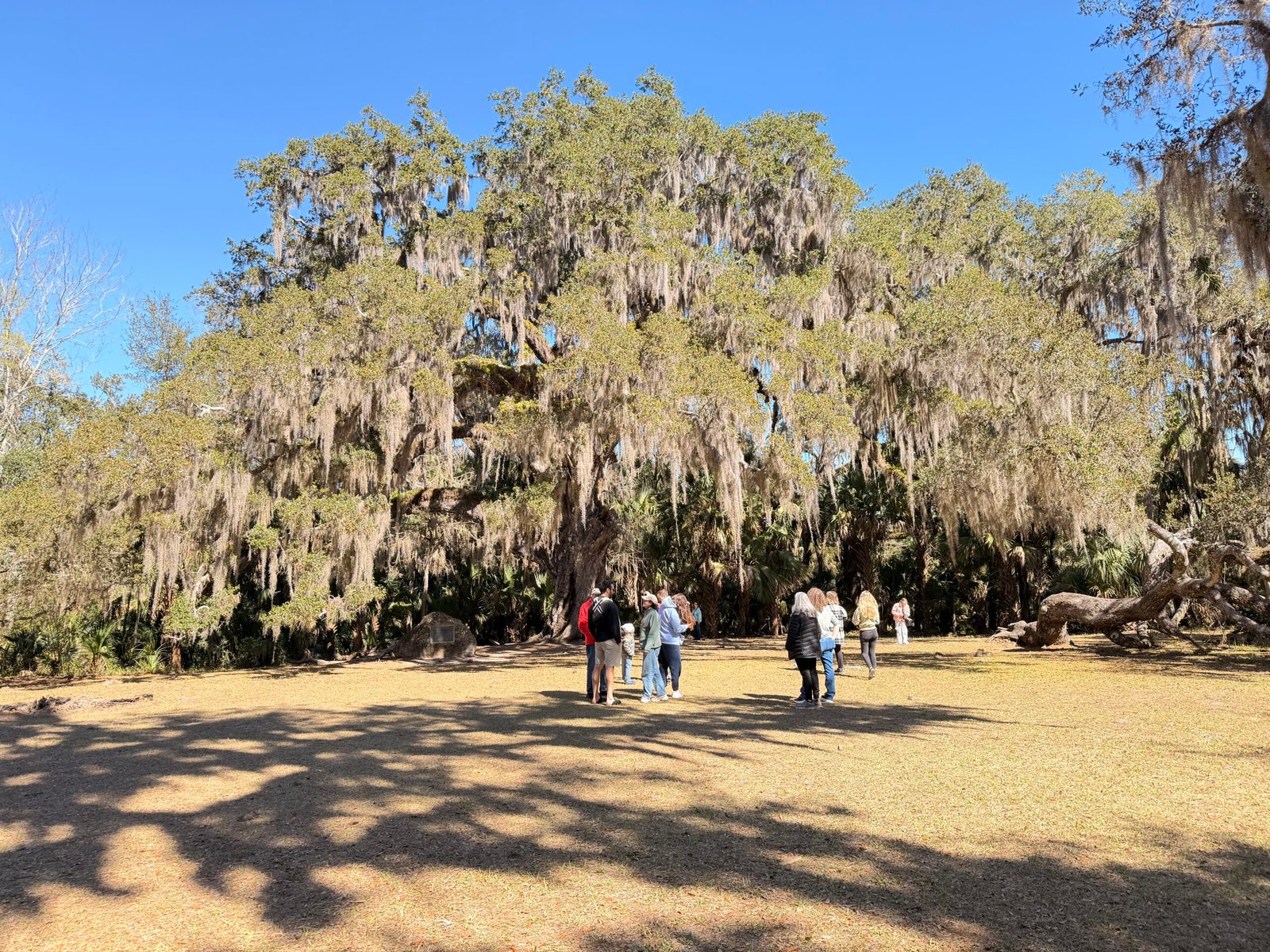
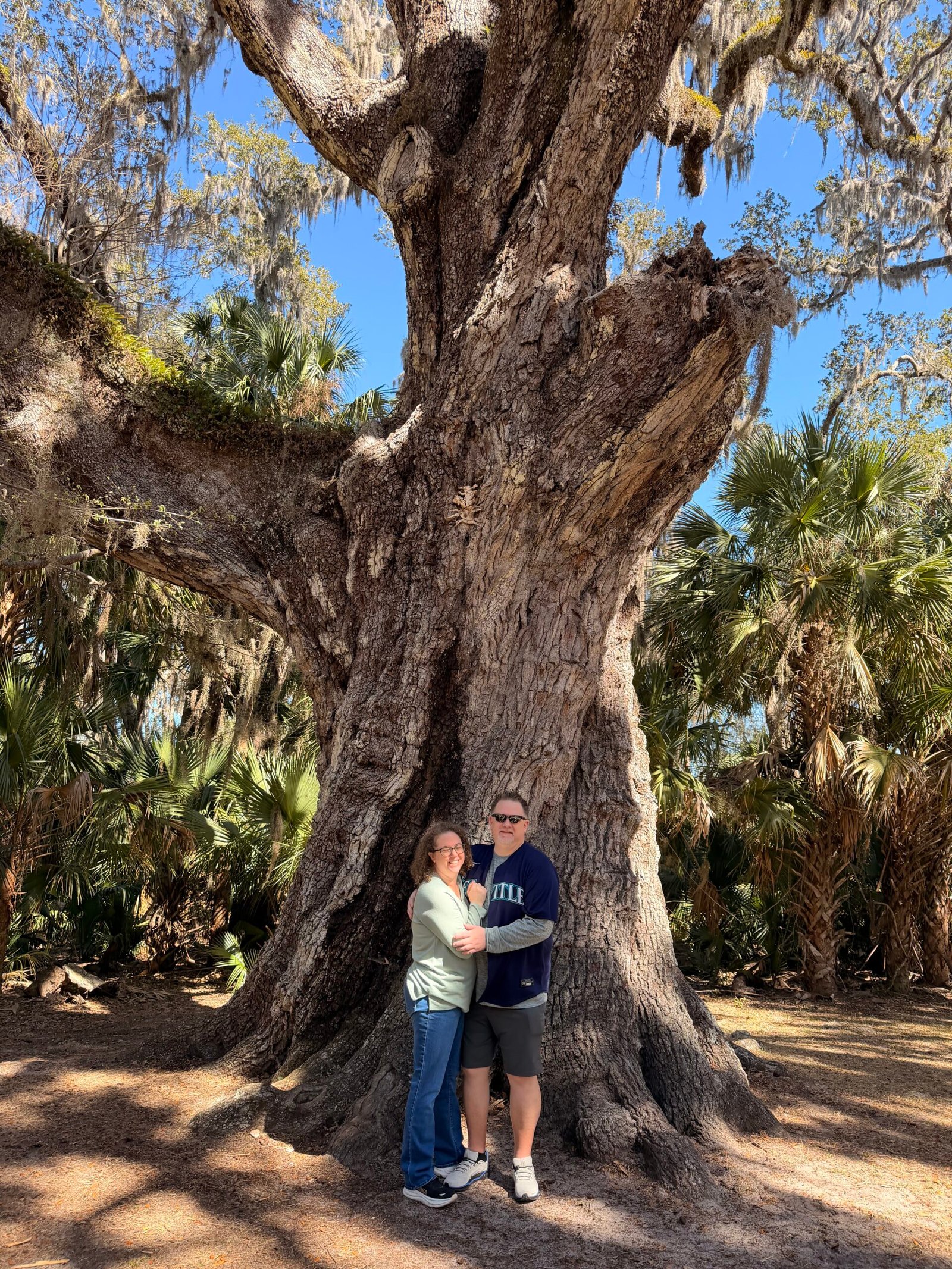
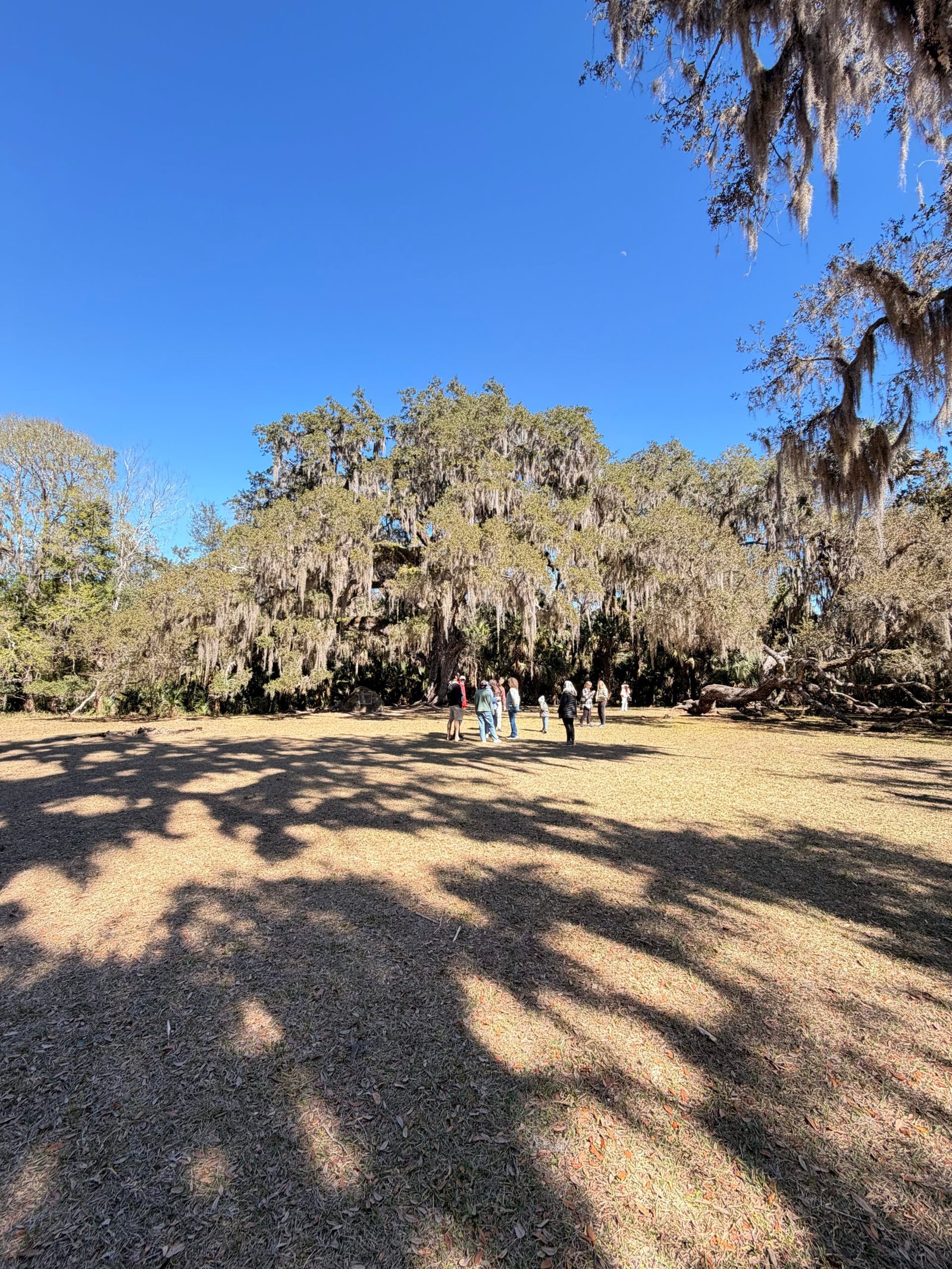
Standing at the base of the Fairchild Oak, the numbers stop meaning anything. Four hundred years. Six hundred years. Maybe more. When this tree was a sapling, the Spanish were still colonizing Florida. It was already ancient when the American Revolution happened. It shrugged off the Second Seminole War in 1836 while the neighboring Bulow Plantation burned to the ground around it.
“It’s not just a tree. It’s a witness to everything that happened here — and it’s still standing.”
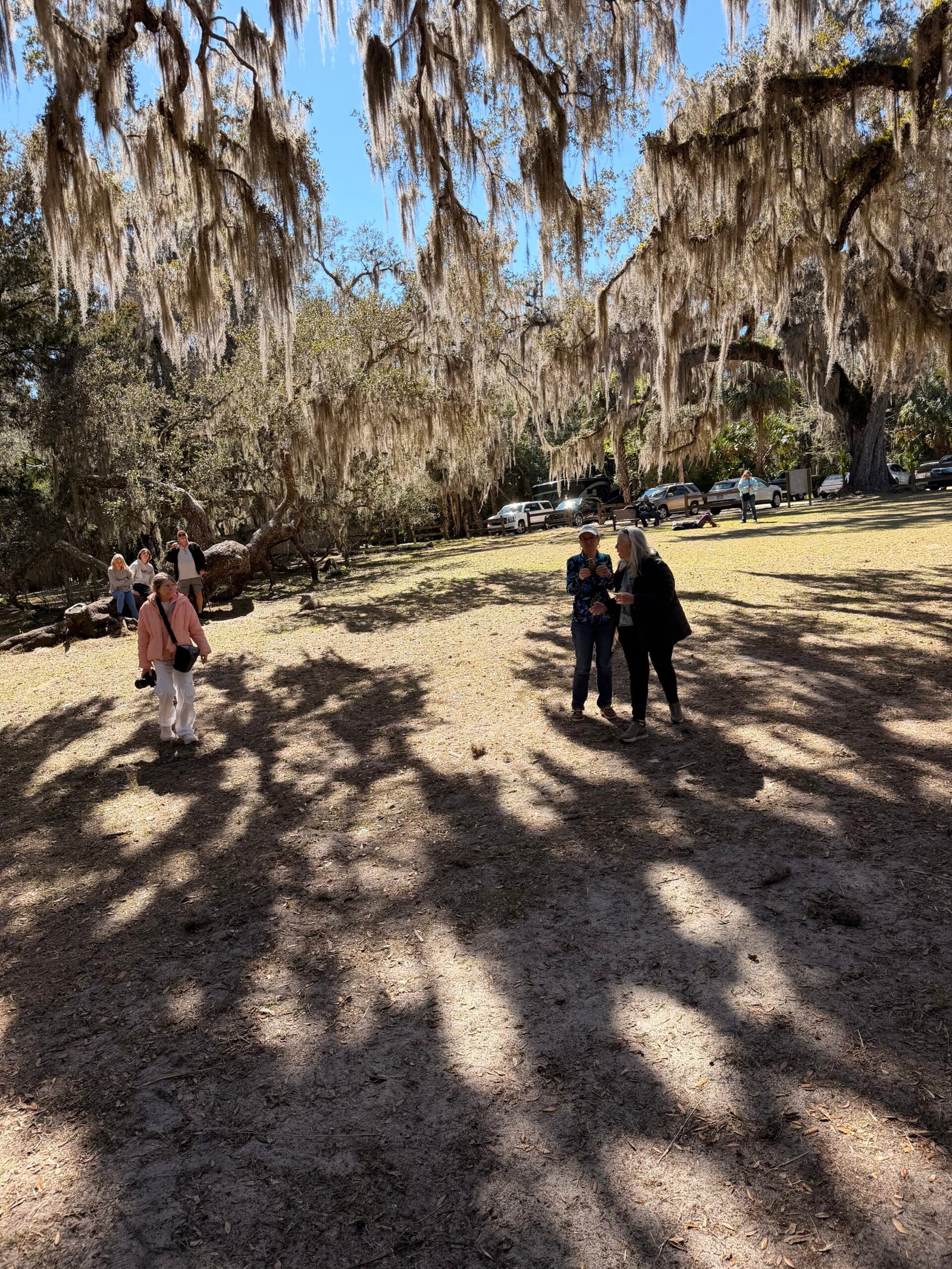
Tucked inside Bulow Creek State Park on Old Dixie Highway north of Ormond Beach, the Fairchild Oak is the centerpiece of one of the largest remaining stands of southern live oak forest on Florida’s east coast. The park is free, uncrowded by Florida standards, and genuinely remarkable — the kind of place you stumble into and can’t quite believe exists.
The History & Haunting
Named in 1955 for Dr. David Fairchild, the famed botanist and plant explorer, the tree was previously known simply as the “Ormond Oak.” The name change gave it a formal identity, but the legends were already older than anyone could track.
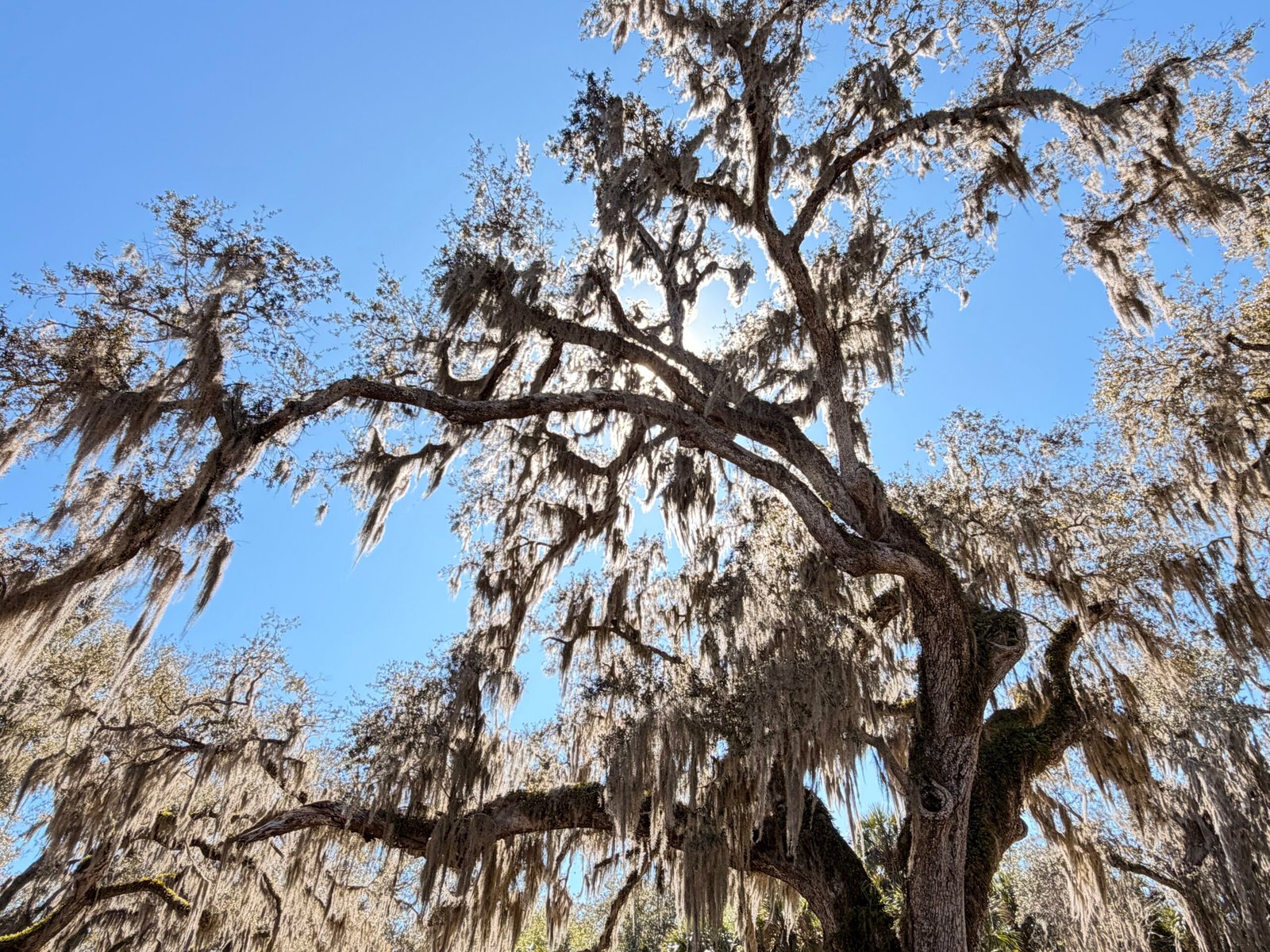
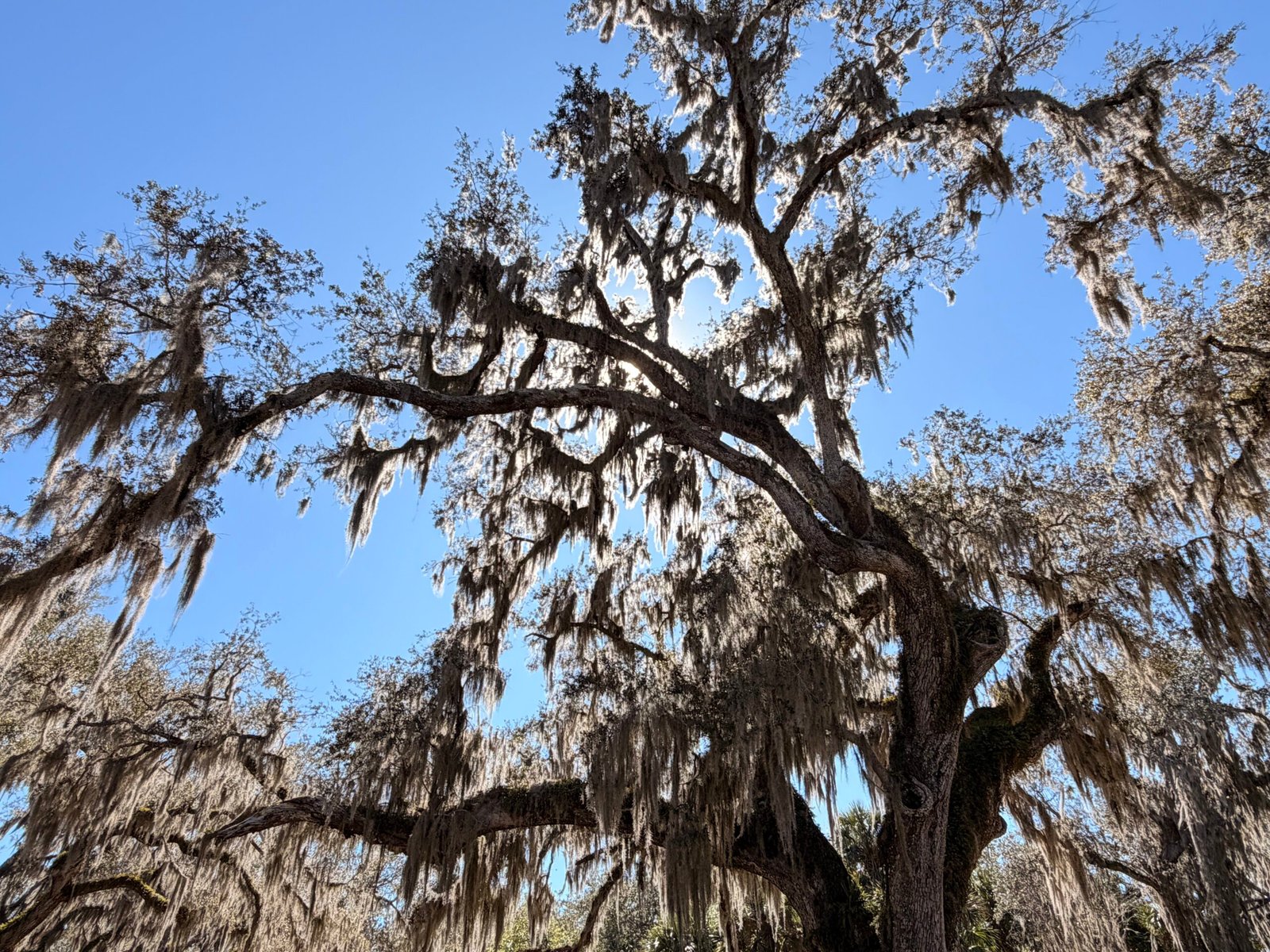
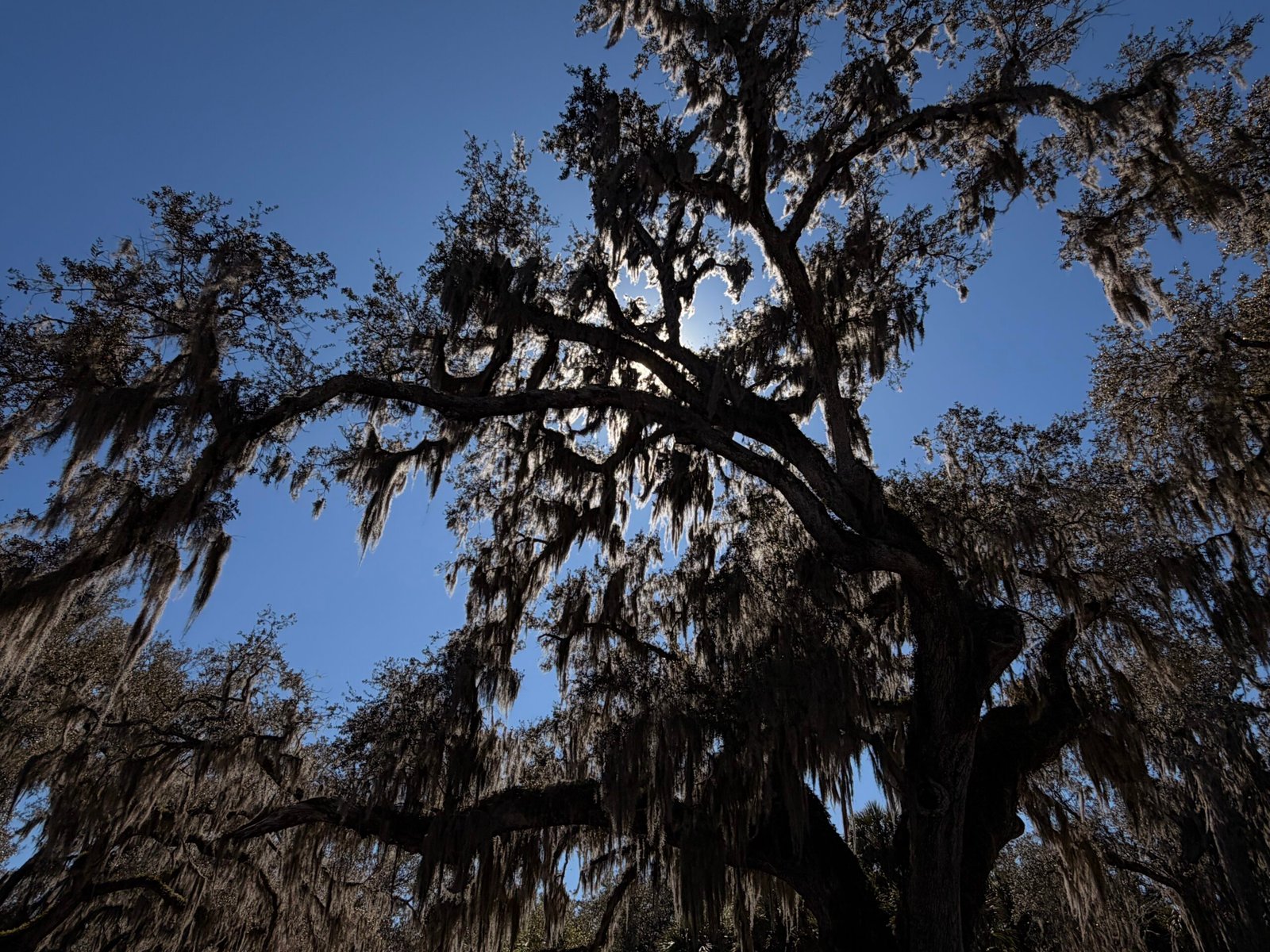
James Ormond — the man the town of Ormond Beach is named after — was found dead beneath this tree in the early 1800s. A later landowner reportedly took his own life here as well, crushed by debt. Local stories say the tree is haunted. Standing under those 100-foot limbs draped in Spanish moss as the light shifts, it’s not hard to understand why people believe it.
What to Expect
The park is open 8 a.m. to sunset, 365 days a year, with no entrance fee. The Fairchild Oak is just a short walk from the main parking area — you’ll see it immediately. From there, the Bulow Woods Trail stretches 6.8 miles to the Bulow Plantation Ruins Historic State Park for those who want to go deeper into the hammock.
A word of caution: do not climb on the limbs. The park posts signs asking visitors to respect this — the weight and friction from climbers damages the ancient bark and structural integrity of the tree. Look up. Don’t touch.
Note at time of our visit: portions of the Bulow Woods Trail were closed due to storm damage. Check with the park before planning a full hike.
Photos from the Visit
Through the Canopy
Plan Your Visit
Know Before You Go
Location & Hours
- 3351 Old Dixie Highway, Ormond Beach, FL
- Open 8 a.m. to sunset, 365 days a year
- 5 miles north of Ormond Beach on Old Dixie Hwy
- Phone: 386-676-4050
Admission & Parking
- No entrance fee — free to visit
- Free parking on site
- Parking can fill up on busy days — arrive early
- Pavilion rental available: $40/day + tax
Trails & Activities
- Fairchild Oak — short walk from parking
- Bulow Woods Trail: 6.8 miles to Bulow Plantation Ruins
- Shorter options via Walter Boardman Lane entrance
- Leashed pets welcome — bicycles permitted
- Wildlife: white-tailed deer, barred owls, raccoons
Tips from DINGODANGO
- Do not climb on the limbs — signs are posted for good reason
- Wear sturdy footwear for trails — terrain varies
- Bring water — no concessions on site
- Best light for photos: morning or late afternoon
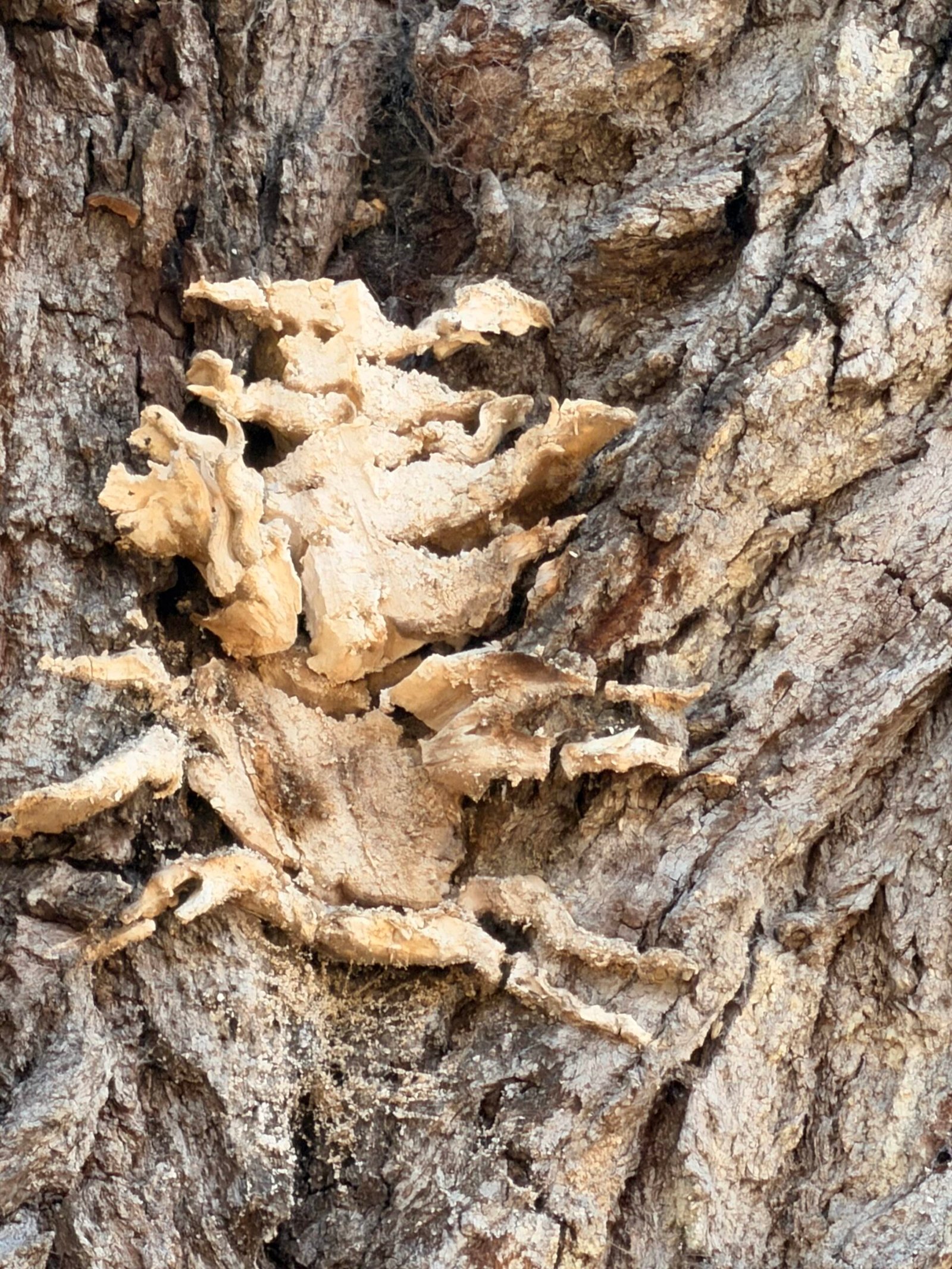
- Look for the fungal shelf growth on the main trunk
Trail Advisory (as of February 2026): Portions of the Bulow Woods Trail were closed due to storm damage at the time of our visit. Check with the park directly before planning a long hike: floridastateparks.org